Color Won't Save You: The Hard Truth About Dopamine Dressing and Your Mental Health

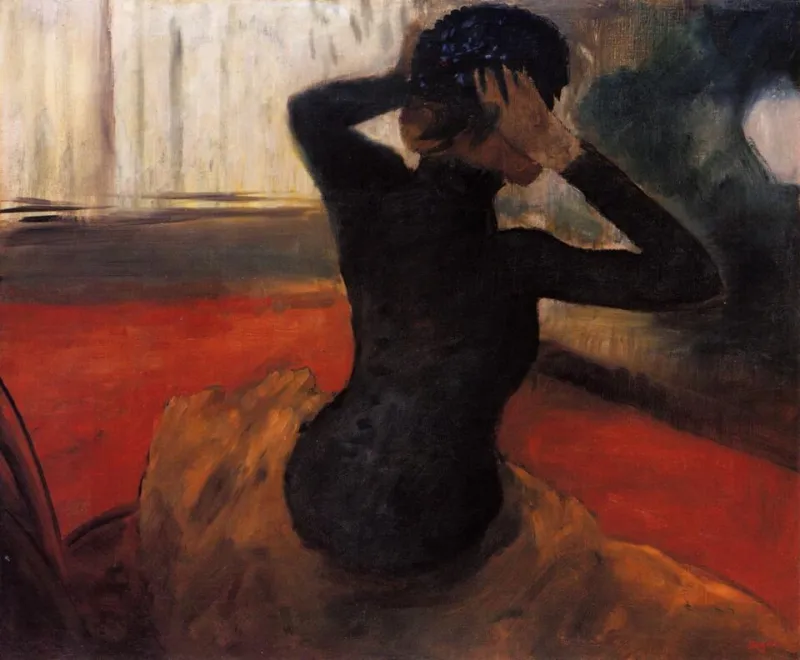
Photo: Shixart1985, CC BY 2.0, via Wikimedia Commons
Let's be real for a second. At some point in the last few years, you probably read a headline telling you that wearing a bright yellow blazer would basically fix your anxiety. Maybe you bought the blazer. Maybe you felt great for a Tuesday. And then Wednesday showed up anyway.
Welcome to the dopamine dressing conversation — one of the most seductive, most overpromised ideas to come out of the pandemic-era fashion world. The concept sounds amazing: wear bold, joyful colors and trigger a neurological happiness response. Science! Style! Self-care all in one closet refresh!
Except the reality is a little more complicated than that. And here at Pinkia Arora, we're all about bold color — but we're also about being honest with the modern women who wear it.
So What Is Dopamine Dressing, Actually?
The term was popularized by fashion psychologist Dr. Dawnn Karen, who coined it around 2017 before it exploded into a full-blown cultural moment during COVID lockdowns. The idea draws loosely from color psychology — the study of how hues influence human emotion and behavior — to suggest that intentionally choosing vibrant, feel-good clothing can stimulate dopamine production and elevate your mood.
And look, color psychology is a real field. Research does suggest that certain colors can influence how we feel. A 2010 study published in the Journal of Experimental Psychology found that the color red can heighten emotional intensity. Blue tones are frequently associated with calm. Bright, saturated hues tend to feel more energizing than muted ones.
But — and this is a significant but — most of that research was conducted in controlled laboratory settings, not in the wild chaos of a Monday morning commute or a tense performance review. The leap from "color influences perception" to "wearing fuchsia will make you happy" is a long one, and a lot of wellness marketing has been very happy to make that jump without looking down.
The Wellness Industrial Complex Loves a Good Shortcut
Here's what's actually happening when a fashion brand or lifestyle influencer sells you on dopamine dressing: they're packaging a real but nuanced concept into a shoppable, shareable story. And it works because we desperately want it to be true.
American women are exhausted. Between the ongoing grind of hustle culture, the mental load that hasn't magically redistributed itself, and the general emotional weight of living through a historically chaotic decade, the idea that a coral sundress could lift the fog is genuinely appealing. Buying something bright feels like doing something. It feels like agency.
But clothing — even the most spectacular, color-saturated, show-stopping piece in your wardrobe — cannot do the heavy lifting of actual mental health care. It can't replace therapy, adequate sleep, meaningful connection, or addressing the structural stressors in your life. When we position fashion as a mental health solution, we risk trivializing both fashion and mental health simultaneously.
When Bold Color Actually Does Help
None of this means you should abandon color. Please don't. Here's what the research does support, and it's genuinely worth knowing.
Enclothed cognition — a concept explored by researchers Hajo Adam and Adam Galinsky — suggests that the symbolic meaning of clothing affects how we think and feel while wearing it. Essentially, when you put on something that you associate with confidence or joy, you're more likely to embody those qualities. The color itself matters less than what that color means to you.
So if you have a deep personal connection to emerald green because you wore it the day you got your promotion, putting on that color again might genuinely shift your mindset. That's not placebo — that's your brain using symbolic association to prime you for a particular emotional state. That's real, and it's powerful.
Bold dressing also works when it functions as a form of authentic self-expression. When the colors you wear reflect who you actually are — not who you're trying to perform being — there's a coherence between your internal state and your external presentation that genuinely feels good. It's the difference between wearing orange because a trend deck told you orange is happy and wearing orange because it's your color, the one that makes you feel like yourself.
The Band-Aid Problem
Where dopamine dressing tips into tricky territory is when it becomes a coping mechanism that delays addressing the real thing.
If you're reaching for the brightest item in your closet every morning because you're dreading the day, that's worth noticing. If you're shopping for bold new pieces every time you're feeling low — and getting a temporary lift that fades by the time the package arrives — that's a pattern worth examining. Fashion can be a genuine source of joy, creativity, and self-expression. It can also become a very aesthetically pleasing avoidance strategy.
The goal isn't to shame anyone for loving clothes or for finding comfort in color — we literally built this whole brand on the premise that bold fashion is worth celebrating. The goal is to help you understand why certain pieces make you feel good, so that relationship stays intentional rather than compulsive.
Building a Color Wardrobe That Actually Works for You
So how do you do this right? Here's a more grounded approach to using color intentionally in your wardrobe:
Start with your emotional associations, not trend reports. Make a list of colors that have made you feel genuinely great — not colors you think should make you feel great. Your personal color history matters more than any color psychology chart.
Notice the difference between dressing up and dressing through. Getting dressed with intention — choosing pieces that reflect your energy and goals for the day — is different from using a bright outfit to mask or push past a feeling that needs attention. Both things happen. Only one of them is sustainable.
Invest in colors that fit your actual life. A wardrobe full of statement pieces you're afraid to wear to the grocery store isn't doing you any favors. Bold color should feel wearable in your real, specific, non-Instagram life.
Let your wardrobe evolve with your emotional landscape. If you went through a hard season and your closet shifted toward darker, quieter tones, that's not a failure. That's your style responding authentically to your life. Coming back to color — when you're ready — can be a genuine marker of something shifting in you. That's meaningful. That's real dopamine.
The Bottom Line
Color is not a cure. But it's also not nothing.
Worn with intention, with self-knowledge, and without the weight of unrealistic expectation, bold color can be one small but genuine part of a life that feels good to live. It can be a daily act of self-expression, a creative outlet, a way of showing up for yourself and for the world around you.
Just don't ask your wardrobe to do what your therapist, your support system, and your own inner work are there to do. Give color its rightful place — vibrant, joyful, expressive — without burdening it with the impossible job of being your entire mental health plan.
Now go wear the blazer. Just also call your friend back.