Saturated and Sustainable: How to Build a Bold Color Wardrobe You'll Actually Keep Forever

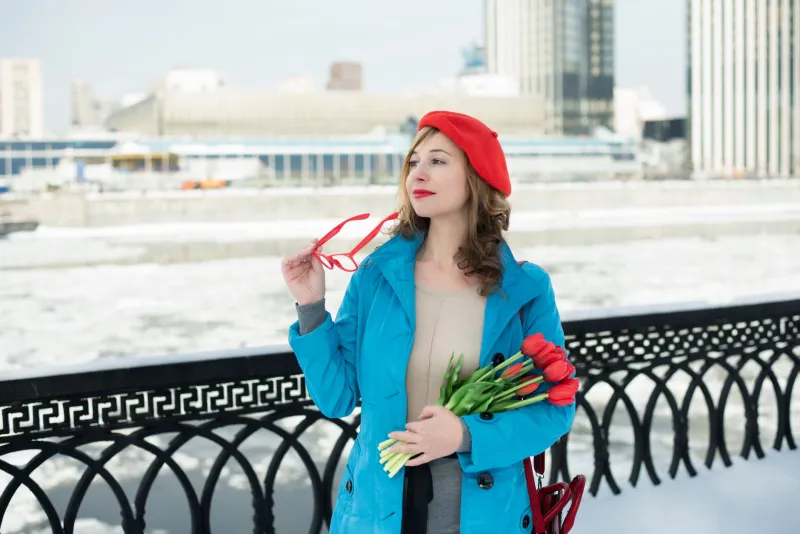
Photo: MSP2019, CC BY-SA 4.0, via Wikimedia Commons
Let's get real for a second. There's a particular kind of guilt that creeps in when you're standing in front of a rack of electric tangerine blazers or cobalt-blue midi skirts at your favorite fast-fashion retailer. You want them. You want them badly. But somewhere in the back of your mind, a small voice is asking: Is this okay? Is buying this thing — this beautiful, vivid, completely unnecessary thing — actually a problem?
The answer is complicated. And honestly? That's exactly what makes this conversation worth having.
The Fast-Fashion Color Trap Is Real
Here's something the fashion industry doesn't exactly advertise: bold, saturated colors are one of its most effective tools for driving repeat purchases. Why? Because trending hues have a shelf life. Pantone announces a Color of the Year. Runway shows push a specific shade of fuchsia or chartreuse. Retailers flood the market with it. You buy it. Six months later, that particular shade feels dated — not because you changed, but because the industry engineered it to feel that way.
This is the color trend cycle, and it's spinning faster than ever. According to the Ellen MacArthur Foundation, the fashion industry produces roughly 100 billion garments a year, and much of that volume is driven by trend turnover. Color is one of the cheapest, most effective levers brands can pull to make last season's silhouette feel brand new. A cobalt blazer becomes a "different" blazer when it shows up in electric violet the following spring.
If you're someone who genuinely loves bold color — and here at Pinkia Arora, we deeply, unapologetically do — this cycle puts you in an uncomfortable position. Because the colors you love are also the colors the industry weaponizes.
Quality Saturates Differently (And Lasts Longer)
Here's the good news, and it's genuinely good: not all bold color is created equal. The difference between a $28 polyester blouse in electric red and a $120 linen one in the same shade isn't just about feel — it's about longevity, both literal and aesthetic.
Natural fibers like linen, cotton, wool, and Tencel hold dye differently than synthetic fabrics. They tend to age more gracefully, developing a kind of richness over time rather than fading into a washed-out ghost of their original vibrancy. A well-made emerald green silk blouse worn 200 times over five years is, by almost every environmental metric, a dramatically better choice than five $25 versions worn 40 times each before they pill, stretch out, or just feel wrong.
This is the core argument for what sustainability advocates call "cost-per-wear" thinking. It's not about spending more — it's about spending smarter. And when you apply that logic to bold color specifically, it changes how you shop entirely.
The Saturated Basics Strategy
One of the most sustainable approaches to a colorful wardrobe is also one of the most counterintuitive: treat bold colors like classics.
Conventional style advice tells you to invest in neutral basics — your white tee, your black trousers, your camel coat — and use color as an accent. But if color is your thing, that framework doesn't serve you. It keeps you buying cheap colorful pieces because the "investment" items are always beige.
Flip the script. What if your wardrobe's foundation was a perfectly cut pair of wide-leg trousers in deep burgundy? A structured blazer in a rich, timeless cobalt? A wrap dress in forest green that works for brunch, a work meeting, and a dinner out?
These aren't trend pieces. They're classics — just in color. And when you invest in quality versions of them, you break the cycle. You stop chasing seasonal hues because you already have something better: a wardrobe built on color that actually belongs to you, not to whatever trend report dropped last Tuesday.
How to Vet a "Forever" Color Piece
Not every bold piece deserves a place in a sustainable wardrobe, no matter how gorgeous it looks on the hanger. Here's a quick gut-check before you commit:
Ask yourself the 30-wears question. Can you genuinely envision wearing this 30 times over the next two years? If the answer is shaky, the piece might be trend-driven rather than wardrobe-worthy.
Check the fiber content label. Natural and semi-natural fibers (cotton, linen, wool, silk, Tencel, viscose) generally outperform synthetics for longevity and environmental impact. Avoid pieces that are more than 50% polyester if longevity is the goal.
Consider the shade's versatility. A very specific, of-the-moment tone — think the particular shade of "millennial mauve" that saturated every boutique in 2017 — has a shorter aesthetic life than a rich, deep, or classic interpretation of a color family. Deep teal ages better than neon teal. Warm terracotta outlasts highlighter orange.
Research the brand's practices. Labels like Eileen Fisher, Reformation, Pact, and Thought Clothing are building transparency into their supply chains. Secondhand platforms like ThredUp, Poshmark, and The RealReal are also goldmines for finding quality bold pieces at lower price points — and without the environmental cost of new production.
Secondhand Is the Most Colorful Aisle in the Store
If there's one sustainable shopping move that's genuinely underrated for color lovers, it's vintage and resale. Bold colors often photograph beautifully and hold their appeal — which means they circulate on resale platforms at a higher rate than boring neutrals. A quick search on Depop or ThredUp for "cobalt blazer" or "red midi skirt" turns up options that would cost three times as much new, in quality that newer fast-fashion simply can't match.
Vintage shopping also naturally sidesteps the trend cycle. A 1990s silk blouse in a saturated emerald isn't chasing a trend — it is the trend, because it's genuinely beautiful and built to last.
Letting Go Without Guilt
Finally, let's talk about the pieces you already own. Sustainable fashion isn't about perfection or punishing yourself for past purchases. If your closet currently holds a pile of fast-fashion color buys, the most sustainable thing you can do is wear them — wear them until they genuinely can't be worn anymore, then donate, resell, or recycle them through programs like H&M's garment collection or ThredUp's Clean Out Kit.
Building a more sustainable color wardrobe is a direction, not a destination. You don't have to overhaul everything at once. You just have to start making different choices, one vivid, intentional piece at a time.
Bold color and a clear conscience aren't mutually exclusive. In fact, when you wear color that's built to last — color you actually chose, invested in, and plan to keep — it means something. It's not a trend. It's a statement. And that's exactly the kind of style we're here for.